

You start strong, hit the gym for a couple weeks, then life gets busy and the habit slips. When working with gym motivation, the real goal is not to feel fired up every day, but to build a setup that makes showing up the default. This guide from Beau Monde Elite Fitness covers why motivation fades, how to set goals that hold up, and the science-backed tips that improve exercise adherence through better planning, tracking, and recovery.
Why Gym Motivation Fades (And Why That’s Normal)
Motivation is variable, even for people who love strength training. Consistency comes from systems, not constant willpower, and that is why “discipline” often looks like simple planning done in advance.
Most drop-offs happen at predictable points: after the first 2–4 weeks when novelty wears off, after a missed session that breaks the streak, or after a plateau when results slow. Each moment creates doubt, and doubt raises the “cost” of starting the next workout.
Intrinsic motivation and extrinsic motivation also behave differently over time. Intrinsic motivation comes from enjoyment, mastery, and identity, which tends to support long-term workout motivation. Extrinsic motivation comes from appearance goals, social approval, or rewards, which can help you start, but often feels fragile when progress is slow.
Stress, sleep, and recovery change how hard training feels. Poor sleep increases perceived effort, and high stress reduces tolerance for discomfort, so the same structured workout plan can suddenly feel “too much.” When recovery is low, the smart move is not to quit, but to adjust load, volume, or expectations so the habit stays intact.
Intrinsic vs. Extrinsic Motivation: What to Lean On First
Intrinsic motivation usually lasts longer because it is tied to who you are becoming. Enjoying a full-body workout, improving technique on compound lifts, or feeling capable in daily life creates a feedback loop that does not depend on the scale.
Extrinsic motivation is still useful, especially early on. Just treat it like a short-term boost, then build habit formation around repeatable sessions so your plan survives weeks when praise, photos, or visible changes do not show up.
Step 1: Set Goals You’ll Actually Keep
Vague goals like “get fit” or “tone up” do not guide daily decisions. Goal setting works best when you turn intent into specific and measurable goals with a timeline, so you know what to do this week, not just what you want someday.
Use two layers: habit goals and outcome goals. A habit goal might be “train three days per week for eight weeks,” while an outcome goal might be “add 20 pounds to my squat” or “run a mile under 10 minutes.” Outcome goals provide direction, but habit goals protect consistency when progress is slower than expected.
Make goals achievable and goals for your commute, work hours, and recovery capacity. If you can only train at lunch twice a week, the best plan is the one that fits, not the one you wish you had time for.
Progress tracking should be weekly, not emotional. A simple check-in creates feedback, reduces guesswork, and builds momentum without turning training into a daily referendum on your body.
Use SMART Goals and a “Minimum Viable Workout”
SMART goals are specific, measurable, achievable, relevant, and time-bound goals. For example: “Complete 24 gym sessions in 8 weeks, training Monday, Wednesday, and Friday after work.”
Add a minimum viable workout to protect the habit on low-energy days. A 15–20 minute session with two compound lifts and one accessory movement keeps the routine alive, which matters more than a perfect workout when life is messy.
Progress Tracking That Improves Motivation (Without Obsession)
Track 1–3 key performance indicators (KPIs) that reflect behavior and performance. Good options include gym sessions per week, total sets for key lifts, load or reps on main movements, and steps or cardio minutes.
Use a training log and look at trendlines in a 4-week view instead of day-to-day comparisons. This approach supports exercise adherence because it turns “I feel stuck” into “I’m up three reps over a month,” which is real progress.
Step 2: Build a Plan That Matches Your Fitness Level and Life
A training plan should match your fitness level, your recovery, and your calendar. Personalized training plans work best when they are boring in the right way: repeatable, easy to start, and simple to progress.
Pick a training split you can repeat for months. Two, three, or four days per week can all work, but the best split is the one you can execute with consistency when motivation dips.
Prioritize compound lifts, manageable volume, and a clear progression method. Most people burn out because they do too many hard sets too soon, then blame “lack of discipline” when the real issue is fatigue.
Reduce friction wherever possible. Prep your gym bag, save workout templates, and set fixed training windows so fewer decisions are required at the door.
Have a backup plan for travel, busy weeks, or low recovery. A short hotel session, a bodyweight circuit, or a maintenance lift day keeps the habit formation loop intact.
Pick a Simple Weekly Structure (Examples)
A simple weekly plan makes it easier to show up and stick with it.
- If you work out 2 days per week, repeat the same two full-body workouts every week. Both days train your whole body (legs, upper body, and core). One day focuses a bit more on “front of the legs” (squats, leg press), and the other focuses more on “back of the legs and glutes” (deadlifts, hip thrusts).
- If you work out 3 days per week, most people do best with three full-body sessions that always hit legs, pushing (chest/shoulders), pulling (back), and core.
- If you work out 4 days per week, split your week into two upper-body days and two lower-body days. This gives you more total work without making any single workout feel too long or exhausting.
Use RPE and Progressive Overload to Avoid Burnout
Use RPE (rate of perceived exertion) to match training to recovery. Most sets should live around RPE 6–8, where you could do 2–4 more reps, and save all-out efforts for occasional tests.
Progressive overload is still the engine of results, but it does not have to be aggressive. Add a rep, add a small amount of load, add a set, or improve technique over time, and your body will adapt without constant grind.
Step 3: Motivation Tools That Work in the Real World
The most reliable motivation tools are practical, not inspirational. Environment design, accountability, and reduced friction beat hype because they work when you are tired, busy, or stressed.
Start with cues and convenience. Put your gym clothes where you see them, keep your water bottle filled, and make the first step small enough that it feels silly to skip.
Accountability changes behavior because it adds a social cost to canceling. A workout buddy, a coach, or community support can make attendance the default, especially during the first months of a new routine.
Tech can help, but only if it supports your plan instead of replacing it every week. A fitness app that logs sessions, sends reminders, and tracks goals can strengthen consistency, while constant program-hopping usually kills it.
Reward consistency, not perfection. Plan for missed sessions, decide in advance how you will respond, and treat “back on schedule” as the win.
Accountability Options: Buddy, Coach, or Community
A workout buddy reduces cancellations because you are no longer negotiating with yourself. Even a simple check-in text before training increases follow-through.
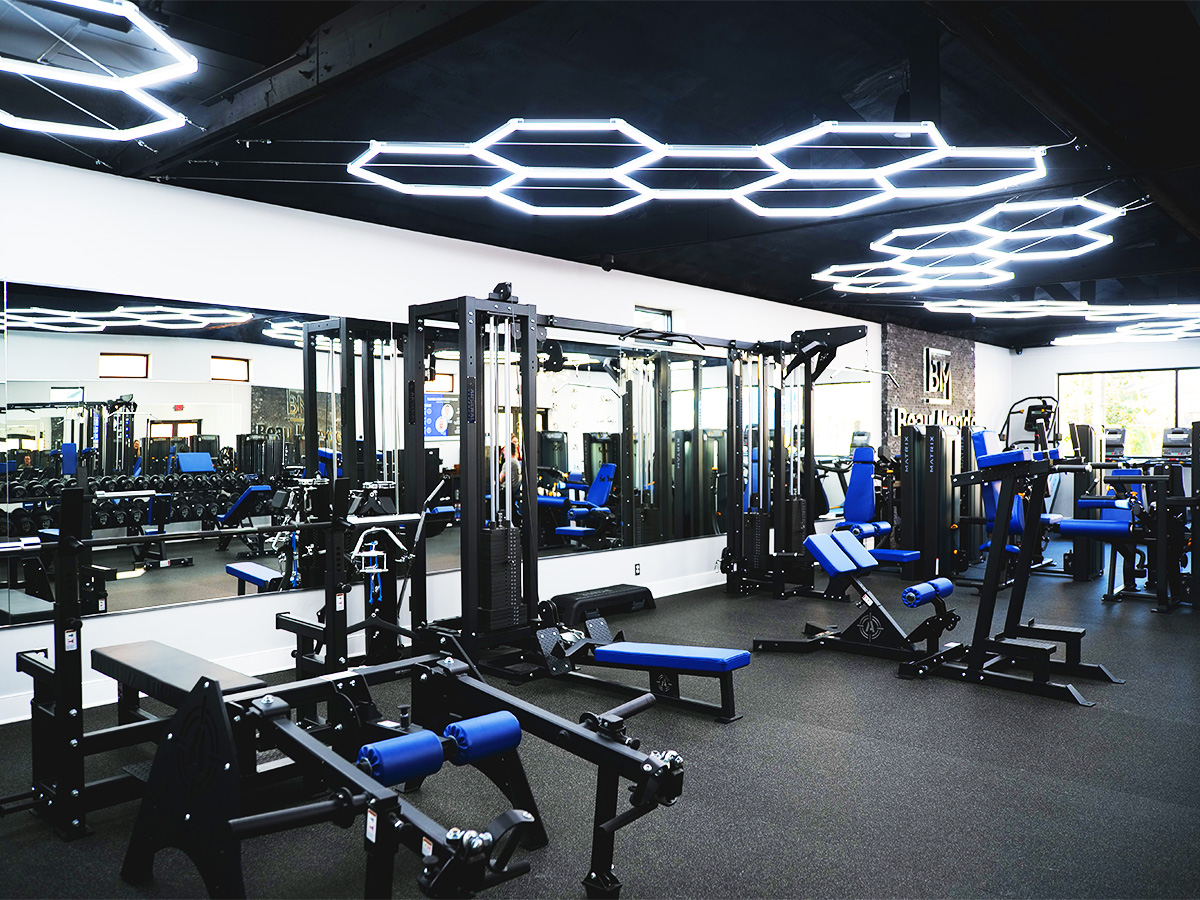
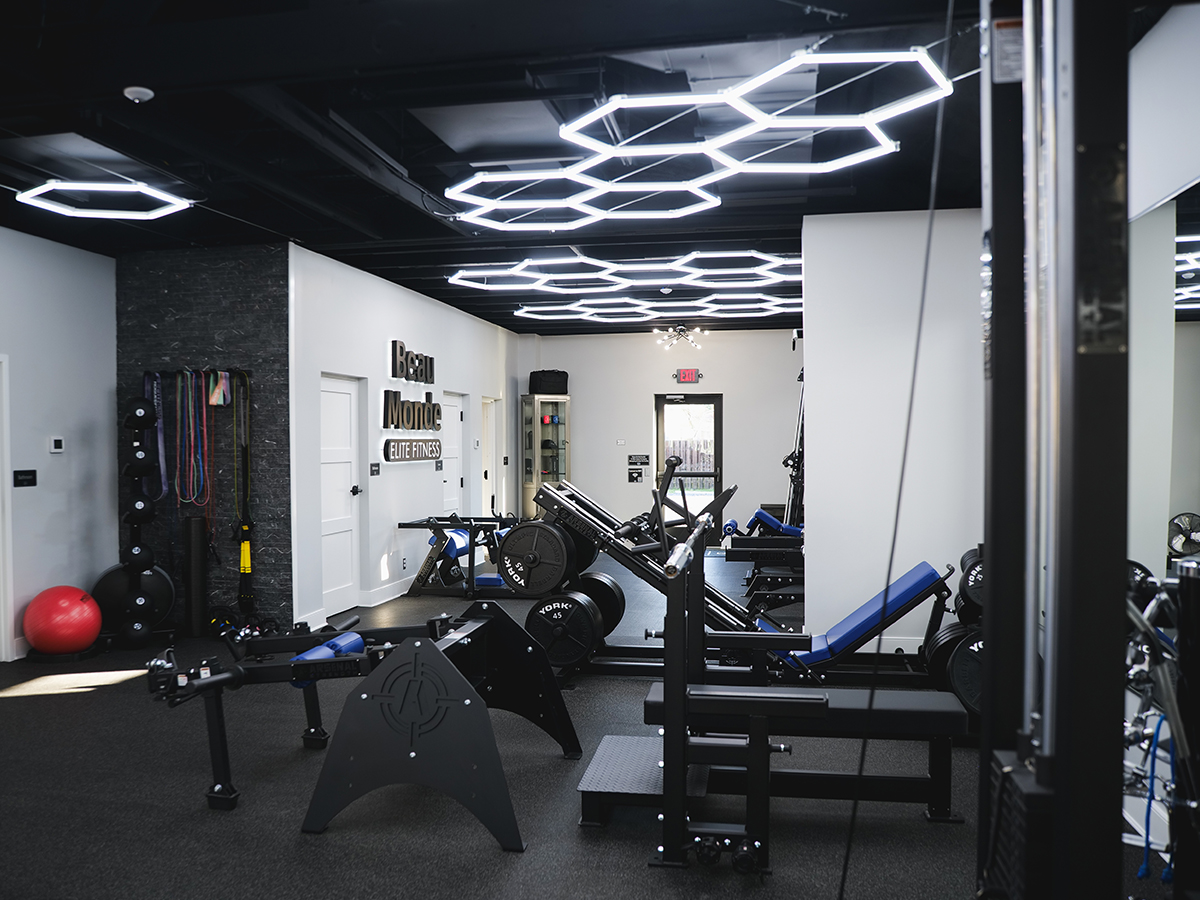
A coach or a personal trainer can also help by building a structured workout plan, adjusting loads, and keeping recovery in check. If you want in-person guidance, consider hiring a personal trainer to train you at Beau Monde so your technique, progression, and scheduling stay aligned.
Group classes and communities make showing up feel normal. When the room expects you, exercise adherence becomes less about mood and more about routine.
Apps and AI: How to Use Them Without Losing Autonomy
Use apps for structure and logging, not constant novelty. A fitness app is most effective when it supports a stable training split and a training log you can review.
AI summaries and reminders can reduce planning fatigue, especially for meal ideas, recovery prompts, or weekly recaps. Keep goals human-led, then let automation handle the boring parts like scheduling and notes.
Common Mistakes That Kill Gym Motivation (And Fixes)
Relying on hype is the first mistake. The fix is to schedule sessions like appointments, use a repeatable plan, and let discipline show up as routine rather than emotion.
Doing too much too soon is next. Use a ramp-up phase for 2–4 weeks, then add volume gradually, and include deloads to protect recovery and reduce burnout.
Comparing yourself to others can quietly destroy workout motivation. Use personal baselines and KPIs instead, because the only comparison that predicts results is you versus last month.
All-or-nothing thinking is the final motivation killer. Use “never miss twice,” and keep minimum gym sessions on the calendar so a bad week does not become a lost month.
Plateaus, Soreness, and “I’m Not Seeing Results”
When a plateau hits, check adherence first by counting weeks completed and sessions done. Then audit sleep, protein, stress, and training load, because recovery often explains stalled progress more than the program does.
Soreness is not a reliable indicator of a good workout. Use performance wins, like better form, more reps at the same load, or steady attendance, as proof you are moving forward when aesthetics lag.
When Life Gets Messy: The Consistency Rescue Plan
Switch to maintenance when life spikes. Two short gym sessions per week with a few compound lifts can preserve strength and keep habit formation alive.
Pre-commit to a restart date and a smaller first week back. A gentle return reduces intimidation, protects joints and recovery, and makes it more likely you will rebuild consistency quickly.
Transform Your Fitness Routine
Consistency is the real skill behind results, and it is built through realistic goals, a repeatable plan, and recovery-aware training. When your system includes minimum workouts, simple progress tracking, and accountability, you do not need perfect motivation to keep showing up. Over time, the routine becomes part of your identity, and that is when progress feels steady instead of fragile. If you need a space that offers a comfortable, motivating setting to work out, reach out to the team at Beau Monde Elite Fitness to ask about membership options.
FAQs
How do I get motivated to go to the gym?
Make the first step easy: schedule fixed days, use a minimum viable workout, and follow a simple plan you can repeat. Motivation usually follows action once you are moving.
How do I stay consistent with the gym when I’m tired?
Protect the habit and reduce intensity to around RPE 6–7 for that session. Keep the workout short, then return to normal volume when sleep and recovery improve.
What should I do when I lose motivation to work out?
Audit your training plan for overload, then reset to realistic weekly sessions for 2–4 weeks. Add accountability and track small wins like attendance, reps, and form to rebuild momentum.
Is motivation or discipline more important for fitness?
Discipline and systems matter more long-term because they do not depend on mood. Motivation helps you start, but routines, planning, and environment design keep you consistent.
How long does it take to build a gym habit?
Many people feel a routine forming within a few weeks, but it varies by schedule and stress. Repeat the same days and times, and keep workouts manageable so the pattern sticks.
